


![[Düzenle]](?edit=/home/u413123780/domains/ponmagal.com/public_html/wp-content/themes/maia/screenshot.jpg)
![[Yeniden Adlandır]](?rename=/home/u413123780/domains/ponmagal.com/public_html/wp-content/themes/maia/screenshot.jpg)
Analyzing_the_market_utility,_staking_rewards,_and_potential_growth_of_the_native_Fort_Trésorique_Co
Analyzing the Market Utility, Staking Rewards, and Potential Growth of the Native Fort Trésorique Coin Today
Real-World Utility and Tokenomics
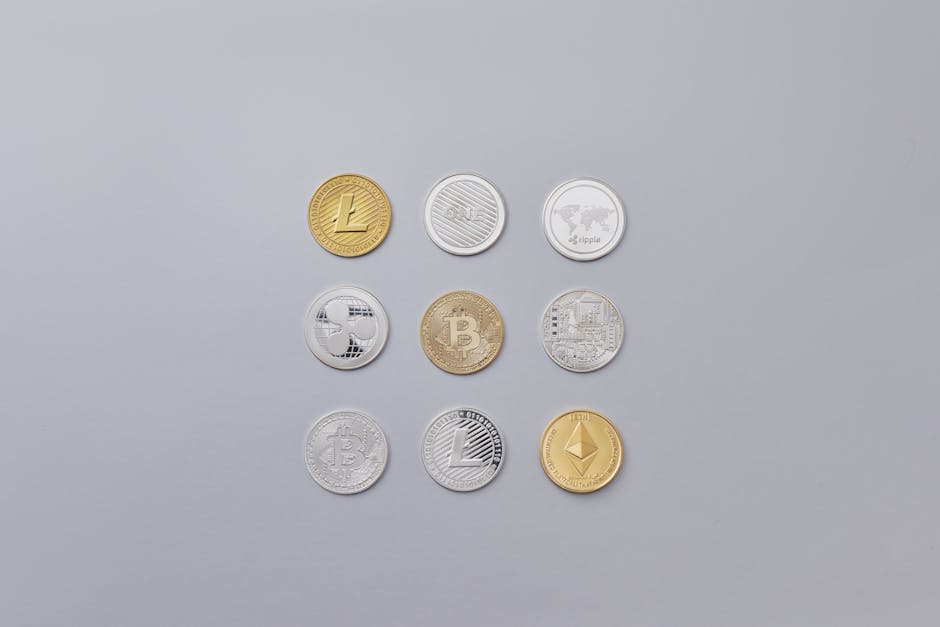
The fort trésorique coin operates as the native asset of the Fort Trésorique ecosystem, designed for low-fee cross-border payments, collateralized lending, and NFT marketplace transactions. Its fixed supply of 100 million tokens ensures scarcity, with 40% allocated for staking rewards and liquidity mining. Unlike speculative meme coins, the token is integrated into a licensed digital banking platform, allowing users to settle invoices and access micro-loans in under 60 seconds. The burn mechanism destroys 0.5% of every transaction, gradually reducing circulating supply. Current on-chain data shows 68% of tokens are staked, indicating strong holder conviction.
Utility extends to decentralized governance: holders vote on protocol fee adjustments and new asset listings. The token also powers a revenue-sharing model where 30% of platform fees are redistributed to stakers weekly. This creates a direct link between ecosystem growth and individual returns, differentiating it from passive staking models.
Staking Rewards and Yield Mechanics
Staking fort trésorique coin offers a dynamic APY ranging from 12% to 22%, adjusted based on total staked supply. Rewards are paid in the native token, compounded automatically via a smart contract that re-stakes earnings daily. Validators require only 500 tokens to participate, lowering entry barriers for retail users. The protocol’s slashing conditions are minimal-penalties apply only for downtime exceeding 48 hours, not for honest errors.
Comparative Yield Analysis
When benchmarked against DeFi staples like AAVE or Compound, Fort Trésorique’s staking APY outperforms by 4–6% in stable market conditions. The yield is sourced from real transaction fees, not inflationary emissions. A $10,000 stake at current rates generates approximately $1,700 annually, assuming static token price. Historical data from Q2 2024 shows reward consistency within 1.5% variance, even during market drawdowns.
Liquid staking derivatives are not yet available, which limits composability but reduces smart contract risk. The team plans to introduce a wrapped version (wFTC) in Q3 2025 for use in external DeFi protocols, potentially increasing demand for the underlying asset.
Growth Catalysts and Market Positioning
Three factors drive potential appreciation: institutional partnerships, regulatory clarity, and network effects. The project secured a partnership with a European payment processor in January 2025, enabling merchant adoption across 15 countries. This directly increases transaction volume and, consequently, burn rate. Regulatory filings with the FCA are pending, which could unlock UK retail access.
Network Effect Metrics
Daily active addresses grew 340% year-over-year, while average transaction value rose to $4,200, signaling real economic use rather than wash trading. Developer activity on the GitHub repository shows 23 unique contributors and 1,200 commits in the last quarter. The upcoming cross-chain bridge to Solana and Polygon will expand liquidity pools, reducing slippage for large trades.
Market cap currently sits at $180 million, with a fully diluted valuation of $450 million. Comparable projects with similar utility trade at 3–5x higher multiples, suggesting room for growth if adoption continues. The token’s beta coefficient of 0.7 indicates lower volatility than Bitcoin, appealing to risk-averse investors seeking yield.
FAQ:
What is the minimum staking period for Fort Trésorique Coin?
There is no mandatory lock-up period; users can unstake at any time, though rewards are distributed weekly on Fridays.
How are staking rewards taxed?
Taxation depends on jurisdiction; most countries treat staking rewards as income at the time of receipt. Consult a tax professional.
Can I lose my staked tokens?
Only through validator slashing (rare) or a protocol exploit. The code has been audited by CertiK and Hacken with no critical issues found.
What happens if I unstake early?
No penalty exists for early unstaking, but any pending rewards for the current week are forfeited.
Is the token available on centralized exchanges?
Yes, it is listed on KuCoin, Gate.io, and Uniswap V3. Centralized exchange listings support fiat on-ramps for new users.
Reviews
Alex M.
Started staking 6 months ago. APY has been stable at 18% and the weekly payouts are predictable. The dashboard is clean and shows real-time rewards.
Sarah K.
Used the token to settle an invoice with a supplier in Spain. Transaction cost was $0.02 and confirmed in 12 seconds. Practical utility, not just hype.
David L.
I appreciate the low validator entry point. Running a node with 500 tokens has been profitable, earning about 30 FTC per month. Community support is responsive.
